Exploring the Versatility of CNC Machining in the Plastic Industry
Understanding CNC Machining in the Plastic Industry
What is CNC Machining?
CNC machining, or Computer Numerical Control machining, represents a revolutionary approach to manufacturing. This technology employs computer systems to control machine tools, allowing for a high degree of precision and automation. In the plastic industry, CNC machining transforms raw plastic materials into finished components through processes like milling, routing, and turning. By programming specific designs into CNC machines, manufacturers produce complex geometries that traditional machining cannot achieve. This technology ensures consistency across batches, significantly reducing errors and waste, while enhancing production efficiency. With its ability to handle various plastics, CNC machining stands out as a vital player in modern plastic fabrication.
Overview of Plastics Used in CNC Machining
The versatility of CNC machining stems largely from the wide array of plastics it can process. Common materials include engineering plastics such as Ultem, Acetal, and PTFE (Teflon), each offering unique properties suited for specific applications. Ultem, known for its thermal stability and mechanical strength, is ideal for high-performance components. Acetal provides excellent wear resistance and low friction, making it suitable for precision parts in demanding environments. PTFE, with its non-stick properties, is frequently used in applications requiring chemical resistance. Each of these plastics enhances the capabilities of CNC machining, allowing for the creation of custom plastic parts built to specification.
Key Benefits of CNC Machining for Plastic Fabrication
CNC machining delivers several advantages for plastic fabrication. First, it allows for high precision and repeatability, making it essential for creating intricate designs and tight tolerances. Second, the automation involved in CNC machining reduces labor costs and minimizes human error. Additionally, manufacturers can rapidly produce prototypes and finished products, significantly speeding up time-to-market. The ability to machine complex nonmetallic parts also expands design possibilities, enabling innovation in product development. Overall, CNC machining not only enhances efficiency but also elevates the quality of high-performance plastic component production.
Applications of CNC Machining for High-Performance Plastics
Machining Complex Nonmetallic Parts
CNC machining excels in creating complex nonmetallic parts, which are crucial in various industries such as aerospace, automotive, and medical. The precision and flexibility of CNC mills enable manufacturers to produce intricate shapes and detailed features that traditional methods struggle to replicate. For instance, custom plastic parts machined from engineering plastics can serve as lightweight yet durable components in aircraft or vehicles. The ability to achieve high tolerances makes CNC machining indispensable for applications requiring reliable performance under stress. With the growing demand for lightweight materials, the role of CNC machining in producing complex nonmetallic parts will only continue to expand.
Custom Parts Machined from Engineering Plastics
Custom parts machined from engineering plastics have become a staple in industries where performance and durability are paramount. Engineers often specify materials like Ultem and Acetal for their mechanical properties and resistance to harsh environments. CNC machining allows for the precise fabrication of these materials into bespoke components that meet stringent specifications. This capability not only enhances product performance but also fosters innovation by enabling the design of parts that can withstand extreme conditions. Whether in medical devices or industrial machinery, the ability to create custom plastic parts tailored to specific needs showcases the versatility of CNC machining.
Precision Components Made from Advanced Polymers
Precision components made from advanced polymers play a critical role in sectors such as electronics and telecommunications. These components require meticulous machining techniques to achieve the necessary tolerances and surface finishes. CNC machining centers equipped with state-of-the-art technology can handle materials like PTFE and PEEK, turning them into high-quality, functional parts. The precision involved in machining these advanced polymers ensures that each component meets rigorous performance standards. As industries increasingly rely on high-performance materials, the demand for CNC machining for engineered plastic parts will grow, highlighting its importance in producing reliable components.
Innovative Techniques and Technologies in CNC Plastic Machining
Routing and Milling Techniques
Routing and milling techniques play pivotal roles in CNC plastic machining, enabling manufacturers to achieve intricate designs and high dimensional accuracy. Routing involves cutting away material using a rotating tool, making it ideal for creating detailed shapes in various plastics. CNC milling, on the other hand, uses multi-axis machines to remove material and shape components with precision. Both techniques allow for the efficient production of custom plastic parts, making them essential for high-volume manufacturing. By leveraging advanced routing and milling strategies, manufacturers can produce complex geometries that meet the demands of modern applications.
CNC Machining Centers: An Overview
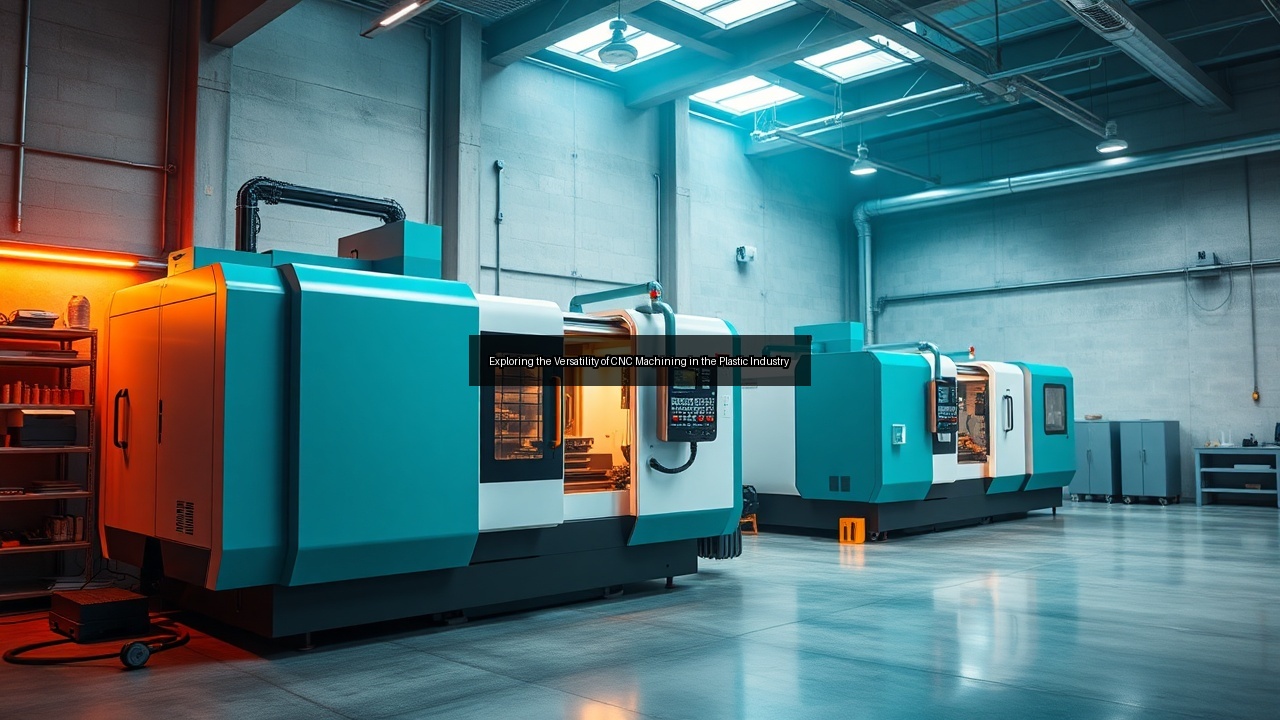
CNC machining centers represent the backbone of modern plastic fabrication. These versatile machines can perform multiple operations, including milling, drilling, and tapping, all in one setup. This capability significantly reduces lead times and increases productivity. With the integration of advanced software, machining centers can execute intricate designs with remarkable accuracy. Whether machining complex nonmetallic parts or precision components made from advanced polymers, CNC machining centers streamline the production process while maintaining high quality. Their adaptability to various plastics further emphasizes their importance in the CNC plastic machining landscape.
Turning PEEK, Acetal, and PTFE into Custom Components
Turning advanced materials like PEEK, Acetal, and PTFE into custom components showcases the versatility of CNC machining. PEEK, known for its exceptional strength and thermal stability, finds applications in aerospace and medical devices. Acetal, with its excellent machinability and wear resistance, is ideal for precision components in automotive and industrial sectors. PTFE's unique non-stick properties make it valuable in chemical processing and food production. CNC machining enables the precise shaping of these materials, allowing manufacturers to create components that meet specific requirements. The ability to turn these challenging machinable plastics into functional parts underscores CNC machining's capability in the high-performance plastics market.
Choosing the Right CNC Plastic Machining Manufacturer
What to Look for in Experienced Machinists
Selecting the right CNC plastic machining manufacturer is crucial for achieving the desired quality and performance. Experienced machinists should possess extensive knowledge of various plastics and their machining properties. Look for manufacturers with a proven track record in producing complex nonmetallic parts and custom plastic parts built to specification. Their expertise in handling advanced polymers will ensure that they can meet the challenges associated with high-performance plastic component production. Additionally, consider their commitment to quality assurance and their use of advanced machining centers to maintain precision in every project.
The Importance of Customization in Plastic Parts
Customization plays a vital role in the production of plastic parts, especially when it comes to meeting specific industry requirements. An experienced plastic machining partner should offer tailored solutions that align with your unique needs. Customization allows for adjustments in design, size, and material selection, ensuring that the final components meet exact specifications. This flexibility enhances product performance and can lead to significant cost savings by minimizing waste and optimizing production processes. The ability to adapt to client requirements reflects a manufacturer’s dedication to innovation and customer satisfaction.
Evaluating Specialists in High-Performance Plastic Components
When searching for a CNC plastic machining manufacturer, evaluating specialists in high-performance plastic components is essential. These experts understand the intricacies of machining advanced materials and can provide insights into the best practices for your specific applications. Inquire about their experience with challenging machinable plastics, as well as their capabilities in producing precision components. A manufacturer that specializes in high-performance plastics will likely have advanced technology and a skilled workforce, ensuring that your projects receive the attention and expertise they deserve. Making an informed decision will result in reliable, high-quality machined plastic parts that meet your needs.