How to Select the Right Greaser for Your Automatic Lubrication Needs
Understanding Automatic Lubrication Systems
What is an Automatic Lubrication System?
An automatic lubrication system delivers precise quantities of lubricant to machinery components without requiring manual intervention. These systems operate using a pump that distributes lubricant, often grease or oil, at regular intervals. The automation of lubrication not only enhances efficiency but also ensures even distribution across critical areas, such as bearings and gears. By maintaining optimal lubrication levels, these systems can significantly reduce wear and tear on equipment, ultimately extending the lifespan of machinery. Industries that rely on heavy machinery, such as construction and transportation, benefit immensely from adopting automatic lubrication systems as they simplify maintenance while enhancing operational reliability.
Key Components of an Automatic Lubrication System
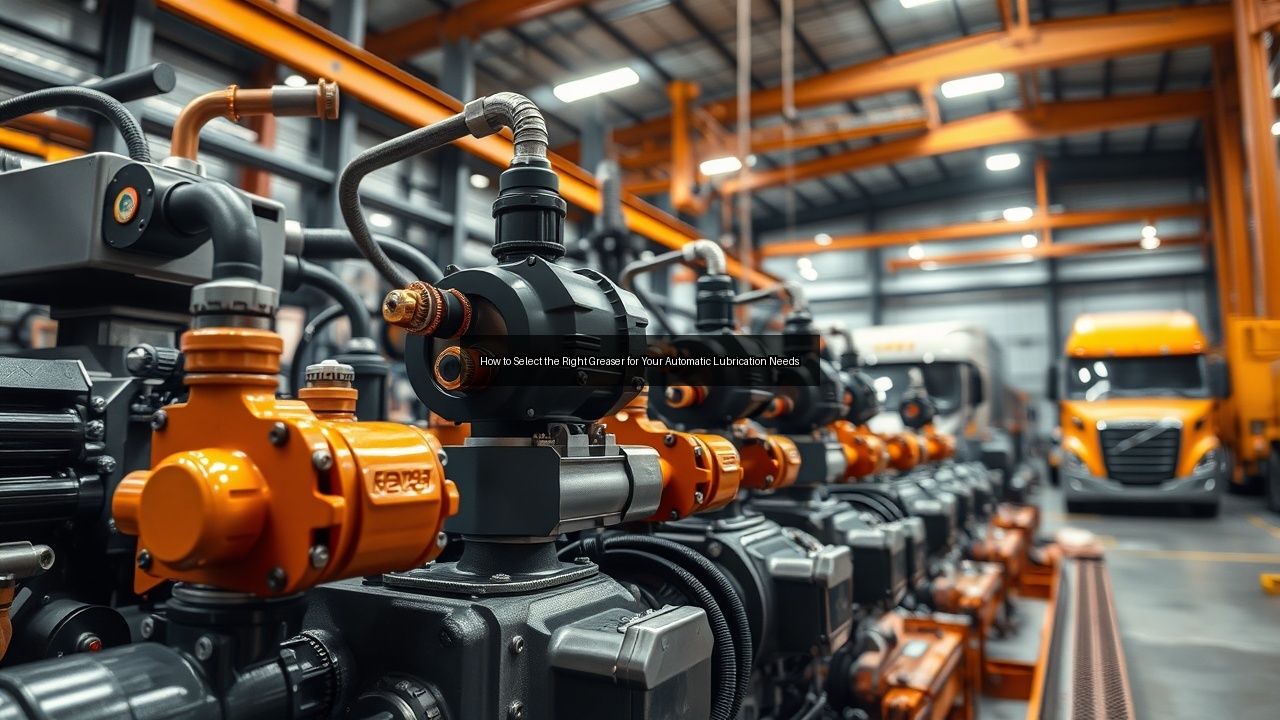
Understanding the key components of an automatic lubrication system is crucial for selecting the right one for your needs. At its core, the system includes a lubricant reservoir, a pump, and a network of connectors and lines that deliver the lubricant to various machinery parts. The pump plays a vital role, controlling the pressure and quantity of lubricant dispensed. Additionally, many systems incorporate condition monitoring sensors that provide data on lubricant levels and equipment performance. These sensors allow operators to track system efficiency and detect potential issues before they escalate into costly repairs. Overall, the integration of these components ensures that lubrication is both timely and effective, reducing maintenance costs in the long run.
Benefits of Automated Lubrication for Maintenance
Automated lubrication offers numerous benefits that enhance maintenance protocols. First and foremost, it reduces the need for manual lubrication, which can be time-consuming and inconsistent. This efficiency leads to improved productivity, as maintenance personnel can focus on other critical tasks. Furthermore, automatic lubrication systems maintain a consistent lubricant supply, ensuring machinery operates under optimal conditions. This consistency minimizes wear and tear, significantly lowering the risk of unexpected breakdowns. Additionally, these systems provide valuable data on lubricant usage and machinery performance, facilitating better maintenance planning and reducing overall maintenance costs. Enhanced reliability and reduced downtime make automated lubrication an indispensable asset for any maintenance strategy.
Choosing the Right Greaser for Your Needs
Types of Greasers: An Overview
When selecting a greaser for your automatic lubrication system, understanding the different types available is essential. Greasers come in various forms, including manual, pneumatic, and electric. Manual greasers require physical operation, while pneumatic and electric greasers automate the process, making them suitable for larger operations. Electric greasers often provide more precise control over the amount of lubricant dispensed, which is critical for high-performance applications like trucks and trailers. Additionally, consider the type of lubricant being used—some greasers work best with specific lubricants, such as grease or oil. The choice of greaser directly impacts the effectiveness of your automatic lubrication system, so evaluate the options carefully to find the right fit for your specific maintenance and operational needs.
Factors to Consider When Selecting a Greaser
Choosing the right greaser involves several critical factors. First, consider the type of equipment that requires lubrication. Different machines, such as compressors or heavy-duty trucks, may have unique lubrication requirements. Next, assess the environment where the greaser will operate. For example, equipment exposed to extreme temperatures or contaminants may require specialized greasers designed for those conditions. Additionally, evaluate the grease system's capacity and dispensing precision, as these factors influence the reliability and efficiency of lubrication. Maintenance costs also play a significant role; a more expensive greaser might provide better long-term savings if it reduces downtime and repair needs. Balancing these factors will help you select a greaser that meets your operational demands.
Evaluating Reliability and Maintenance Costs
Reliability and maintenance costs are paramount when selecting a greaser for your automatic lubrication system. A reliable greaser consistently delivers the correct amount of lubricant, ensuring machinery runs efficiently and reducing wear on components. Look for greasers with proven track records in your industry, as this can provide insights into their long-term performance. Additionally, assess the maintenance costs associated with the greaser. Some systems may require more frequent inspections or component replacements, which can add to overall expenses. Consider the balance between the initial investment and the potential savings from reduced repairs and maintenance. A well-chosen greaser will not only perform reliably but will also contribute to lower overall maintenance costs over time.
Applications of Automatic Lubrication Systems
Industries That Benefit from Automated Lubrication
Numerous industries benefit from implementing automatic lubrication systems. The manufacturing sector relies heavily on these systems to maintain machinery such as conveyor belts, presses, and robotic arms. In the transportation industry, automatic lubrication is crucial for trucks and trailers, ensuring that vital components auto lube system remain lubricated during long hauls. The mining and construction sectors also experience significant advantages, as heavy equipment and machinery require consistent lubrication to operate efficiently in rugged environments. Data centers, with their reliance on precision equipment, also benefit from automated lubrication, as it helps maintain cooling systems and other critical components. The versatility of automatic lubrication systems makes them invaluable across various applications.
Common Equipment: Trucks, Trailers, and Compressors
Automatic lubrication systems find extensive applications in common equipment, particularly trucks, trailers, and compressors. In trucks and trailers, these systems ensure that joints, bearings, and other moving parts receive adequate lubrication, reducing wear and extending service life. For compressors, proper lubrication is essential to maintain efficiency and prevent breakdowns. Most compressors operate under high pressure and temperature, making consistent lubricant delivery crucial. Automatic lubricators designed for these applications often feature robust designs that withstand harsh conditions while maintaining precise lubricant flow. By reducing manual intervention, these systems streamline operations and enhance reliability in crucial equipment, ultimately improving overall performance and maintenance efficiency.
Condition Monitoring and Its Role in Lubrication
Condition monitoring plays a vital role in optimizing lubrication practices within automatic lubrication systems. By utilizing sensors and data analytics, operators can track the condition of lubricants and machinery components in real-time. This data helps identify when lubrication is needed and ensures that equipment receives the correct quantity of lubricant at the right intervals. Monitoring systems can also detect potential failures before they occur, allowing for proactive maintenance and minimizing costly repairs. Implementing condition monitoring alongside automatic lubrication enhances the reliability of machinery while reducing maintenance costs. This integrated approach ensures that lubrication is not only timely but also tailored to the specific needs of each piece of equipment.
Top Brands and Solutions in the Market
Leading Brands for Automatic Lubricators
Several leading brands dominate the market for automatic lubricators, offering a range of solutions tailored to different industries and applications. Companies like Graco, Lincoln, and SKF are renowned for their high-quality lubrication equipment, known for reliability and performance. Graco provides a variety of automatic lubrication systems designed for everything from small machinery to large industrial applications. Lincoln specializes in heavy-duty lubrication systems suitable for trucks and trailers, ensuring optimal performance even under challenging conditions. SKF, automatic lube systems a leader in bearing technology, offers integrated lubrication solutions that enhance reliability and extend the lifespan of machinery. Choosing a reputable brand can significantly impact the effectiveness of your automatic lubrication system.
Comparative Analysis of Grease Systems
Conducting a automatic lube systems comparative analysis of grease systems can provide insights into the most effective solutions for your needs. Different systems vary in terms of pump design, delivery methods, and compatibility with various lubricants. For example, some grease systems use progressive delivery, while others utilize single-line or multi-line systems. Each design has its advantages, depending on the application and equipment requirements. Additionally, consider factors such as ease of maintenance, reliability, and the cost of replacement parts. Analyzing these elements will help you make an informed decision, ensuring that the greaser you select aligns with your operational goals and maintenance strategies.
Future Trends in Lubrication Technology
The landscape of lubrication technology continually evolves, driven by advancements in automation and data analytics. Future trends indicate a growing emphasis on smart lubrication systems that integrate IoT technology, allowing for real-time monitoring and control. These systems will provide even greater precision in lubricant delivery, optimizing machinery performance and reducing waste. Additionally, the development of eco-friendly lubricants and greasers will align with global sustainability goals, offering greener alternatives without compromising performance. As automation becomes increasingly prevalent, the integration of machine learning will enable predictive maintenance, allowing operators to anticipate lubrication needs and address issues proactively. Staying informed about these trends will help businesses leverage the latest innovations in lubrication technology.